If you are thinking about buying a South End brownstone condo, you are not just buying square footage. You are buying into a historic building, a shared ownership structure, and a set of rules that can shape everything from window repairs to future monthly costs. The good news is that with the right due diligence, you can move forward with much more confidence. Let’s dive in.
Why South End brownstones are unique
The South End Landmark District is one of Boston’s defining historic areas. Boston identifies the neighborhood for its Victorian brownstone buildings and notes that the district was designated in 1983. Its long rows of residential buildings create the visual character that makes the South End so recognizable today.
That historic setting is a big part of the appeal, but it also changes how you should evaluate a condo purchase. In many South End brownstones, you are buying one unit within a larger rowhouse-style building where key systems and exterior elements are shared. That means your decision is about both the unit itself and the condition and governance of the building around it.
Understand the condo ownership structure
Before you focus on finishes and floor plans, it helps to understand what you actually own. Under Massachusetts condo law, many parts of the property are considered common areas and facilities, including items such as foundations, roofs, stairs, basements, yards, parking, and storage spaces. Some areas may also be classified as limited common areas, which means they are reserved for the exclusive use of fewer than all unit owners.
In a South End brownstone, this matters a lot. A roof deck access point, front stoop, basement storage area, or rear outdoor space may not be owned the way you assume. The master deed and bylaws should clarify what is unit-owned, what is shared, and what is exclusive-use but still part of the common structure.
Questions to ask about ownership
- Which building components are unit-owned?
- Which are common areas?
- Which are limited common areas?
- Who is responsible for maintenance and replacement of stairs, roof areas, basement spaces, balconies, or outdoor areas?
These answers affect both your costs and your control over future work.
Historic district rules can affect future projects
One of the biggest differences in the South End is that exterior changes may require review by the South End Landmark District Commission. Boston states that proposed exterior work on front facades, rooftops visible from a public way, and side or rear elevations that directly face a public way must go through this process when applicable.
A Design Approval Application is required for covered work, and approval must be in place before work starts. Boston also advises owners not to begin work or even buy materials until approval is confirmed. In addition, a building permit may not be issued until a Certificate of Design Approval or Exemption is issued.
Why this matters to buyers
Even a well-renovated condo can come with future building projects. If the association plans to replace windows, repair masonry, update railings, or change visible roof elements, those projects may involve historic district review. That can affect timing, cost, material choices, and project scope.
Boston also makes an important distinction between routine maintenance and exterior alterations. If work changes materials, dimensions, design, configuration, color, texture, or visual appearance, it may trigger a different level of review. In practice, that means an exterior update that seems minor at first glance may be more involved than expected.
What the district typically wants preserved
The South End standards generally favor retaining and repairing historic features instead of replacing them outright. That approach is especially relevant in older brownstone condo buildings, where original materials often remain part of the exterior character.
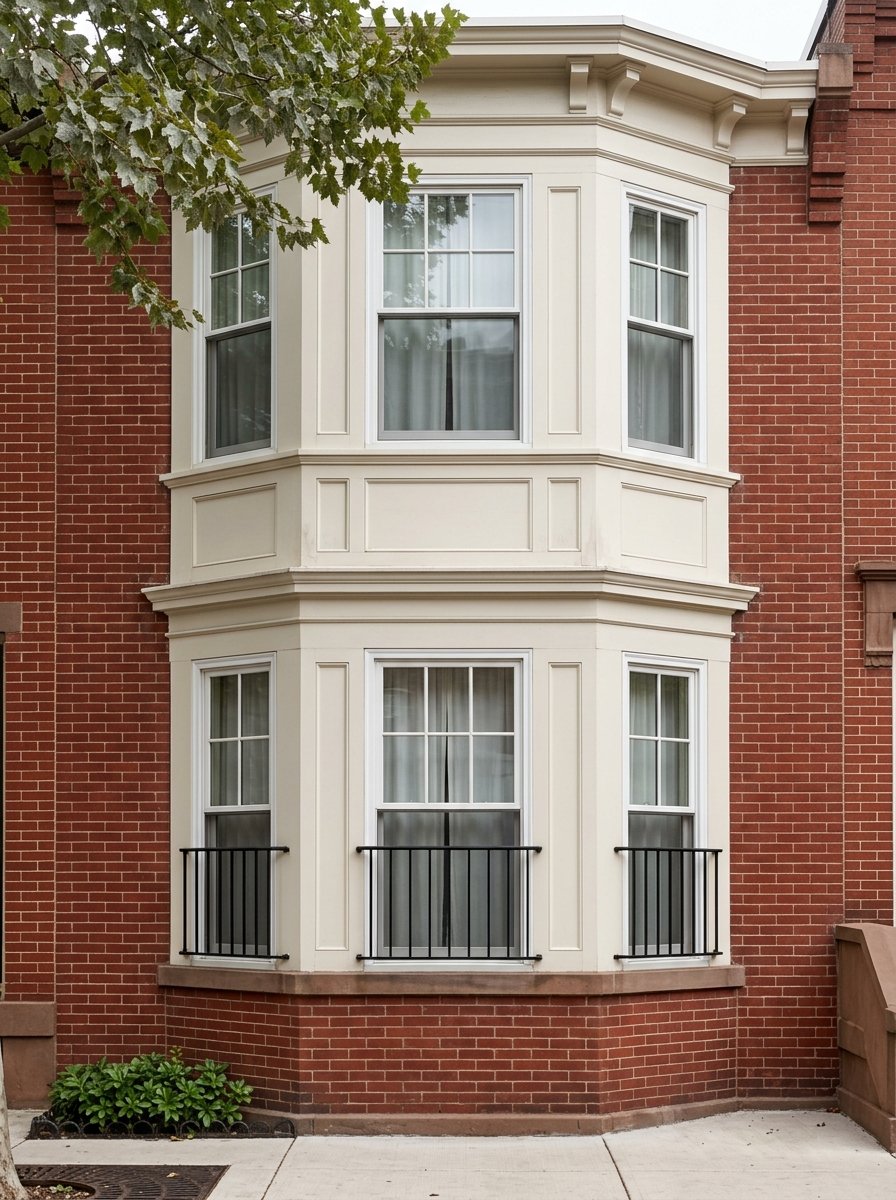
For example, original window openings are expected to remain in place, and historic wood windows should be repaired when possible. Vinyl and vinyl-clad replacement windows are not allowed. The standards also call for retaining and repairing masonry, original entry doors, transoms, sidelights, stair railings, balustrades, and decorative balconies where possible.
For masonry work, details matter. Repointing should match the original mortar as closely as possible, sandblasting is not approved, and brownstone repairs or replacement materials should approximate the original appearance and texture. If you are buying into a building that needs visible exterior work, these rules can directly affect future capital planning.
Inspect the building, not just the unit
A polished interior can distract from larger building issues. In a South End brownstone condo, some of the most important risks are outside your unit or below it.
Historic masonry is durable, but it can be damaged by improper maintenance, moisture, freeze-thaw cycles, settlement, and water infiltration. In practical terms, buyers should pay close attention to the exterior envelope and the lower levels of the building, because those are often the sources of major future costs.
Areas worth a closer look
- Repointing history
- Cracked or spalled masonry
- Patched brownstone areas
- Window and door condition
- Front stoops and railings
- Signs of moisture in basement or garden levels
These are not just maintenance details. In this building type, they often drive the next round of capital projects and can influence condo fees or special assessments.
Review reserves and planned capital work
Condo documents matter in any purchase, but they matter even more in a small historic building. Massachusetts condos are governed through the master deed, bylaws, and Chapter 183A, and the state defines a replacement reserve fund as a separate portion of common funds used to replace, restore, or rebuild common areas and facilities.
Massachusetts guidance notes that condominiums are required to maintain an adequate replacement reserve fund, although that requirement can be modified by a 67% vote after declarant control ends. The law also provides that common expense assessments must be budgeted at least annually. For you as a buyer, that means reserves and budgeting are not side issues. They are central to the financial health of the building.
What to review in the condo documents
- Current condo budget
- Reserve fund balance
- Any recent reserve study
- Planned capital projects
- History of special assessments
- Meeting notes that mention upcoming repairs
If the building has weak reserves and known exterior work ahead, your true cost of ownership may be higher than the monthly condo fee suggests.
Financing and lender review can be part of the story
For condo purchases, lenders may review more than your personal finances. Fannie Mae notes that condo lenders may evaluate the physical condition of the community, financial stability, structural integrity, outstanding structural debts, evacuation orders, major lawsuits, and required inspections.
Fannie Mae also flags special assessments, cash reserves, and the remaining useful life of major components as key questions for buyers. In some cases, the building itself can become part of the underwriting conversation. That is one reason document review should happen quickly and carefully once your offer is accepted.
Under Fannie Mae’s full-review standards, lenders may also look for an adequate HOA budget and a replacement-reserve allocation of at least 10% of budgeted assessment income, unless there is an acceptable reserve study. A reserve study generally covers major components, their condition, remaining useful life, estimated replacement or repair costs, current reserves, and a suggested funding plan.
Ask targeted questions before you commit
A South End brownstone condo deserves more detailed questions than a typical condo purchase. You want to understand not only the unit, but also the building’s compliance, maintenance history, and financial readiness.
Here are some smart questions to ask during due diligence:
- Are there any open South End Landmark District Commission approvals, violations, or pending applications for exterior work?
- What major building projects have been completed in recent years?
- What major projects are expected next?
- How strong is the reserve fund?
- Is there a recent reserve study?
- Are any special assessments planned or being discussed?
- What does the master insurance policy cover, and what falls to the unit owner policy?
These questions can help you avoid surprises and compare buildings more clearly.
Why timing matters in condo due diligence
Buyers often have only a limited window after offer acceptance to review condo documents. That short timeline can be challenging in a historic brownstone, where the building story may be more complex than it first appears.
This is where a careful, organized approach helps. You want to review the master deed, bylaws, budget, reserve information, meeting notes, insurance details, and any records tied to visible exterior work as early as possible. Massachusetts also advises buyers to consult a real estate attorney with condominium experience because condo law and condo documents are legal matters.
Buying with a practical South End strategy
The best South End brownstone condo purchases usually come from balancing charm with clear-eyed analysis. You can love the original details, the rowhouse scale, and the historic streetscape while still asking tough questions about masonry, windows, reserves, and shared responsibilities.
That balance is especially important in a landmark district, where preservation rules and common building systems shape the ownership experience. When you understand both the beauty and the obligations of the property, you are in a much stronger position to make a smart decision.
If you are considering a South End brownstone condo, working with an advisor who understands Boston’s condo stock, historic-building issues, and building-level diligence can make the process far more manageable. For tailored guidance on buying in the South End, connect with Mike Preston.
FAQs
What makes a South End brownstone condo different from a typical condo?
- A South End brownstone condo is often part of a historic rowhouse building where exterior elements and major systems are shared, and visible exterior work may be subject to South End Landmark District review.
What exterior work in the South End may need historic approval?
- Proposed work on front facades, rooftops visible from a public way, and side or rear elevations that directly face a public way may require review and approval before work begins.
What should buyers inspect in a South End brownstone building?
- Buyers should closely inspect masonry condition, repointing history, patched brownstone, windows, doors, front stoops, railings, and moisture signs in basement or garden levels.
Why do reserve funds matter when buying a South End condo?
- Reserve funds help pay for replacement or repair of common areas and facilities, and weak reserves may lead to higher future costs or special assessments.
What condo documents should buyers review for a South End purchase?
- Buyers should review the master deed, bylaws, budget, reserve information, meeting notes, insurance details, and any records tied to planned or pending exterior work.
What insurance question should buyers ask about a South End brownstone condo?
- Buyers should ask what the master insurance policy covers, including whether it covers only common elements or also parts of unit interiors, and what coverage they need to carry individually.