Selling a luxury condo in Back Bay is not just about putting beautiful photos online and waiting for buyers to show up. In one of Boston’s most recognizable and competitive condo markets, buyers expect polished presentation, clear facts, and a story that feels true to the building and the block. If you want to understand how top agents market Back Bay luxury condos, this guide breaks down what actually moves the needle and why it matters. Let’s dive in.
Back Bay Marketing Starts With Context
Back Bay is not a generic luxury market. It is a protected historic district with elegant architecture, active commercial corridors, and a highly walkable urban setting shaped by landmarks, parks, and transit access.
That matters because strong marketing has to do more than showcase finishes. It needs to place your condo within the specific rhythm of Back Bay, from Commonwealth Avenue and Newbury Street to Copley Square and the Esplanade.
Boston Planning describes Back Bay as a neighborhood with a relatively young, highly educated, higher-income population. The area also has a distinctly urban housing and transportation profile, with many smaller condo units, many households without a vehicle, and strong walk-to-work, transit, and work-from-home patterns.
For sellers, that means the campaign should speak directly to how people actually live in Back Bay. Top agents shape the message around convenience, design, walkability, cultural anchors, and the details buyers need to evaluate condo ownership with confidence.
Luxury Positioning Depends on More Than Price
Back Bay sits firmly in the luxury range by current market snapshots. Zillow reported typical home values of $1,327,018, a median list price of $1,819,983, 195 homes for sale, and a median time to pending of 14 days as of June 30, 2026. Redfin reported a median sale price of $1,524,487 over the prior three months ending May 2026 and described the market as very competitive.
In a market like that, pricing alone does not define the strategy. Top agents focus on how a condo is positioned against nearby options, how quickly buyers can understand its value, and how well the marketing package supports the asking price.
That is where principal-led guidance can make a difference. Sellers often want more than marketing production. They want a clear plan, direct communication, and smart judgment on what will resonate with serious buyers in a fast-moving luxury segment.
Visual Presentation Comes First
Luxury condo marketing is visual before it is verbal. Nearly half of interested buyers start their search online, and listing presentation needs the same care you would give an in-person showing.
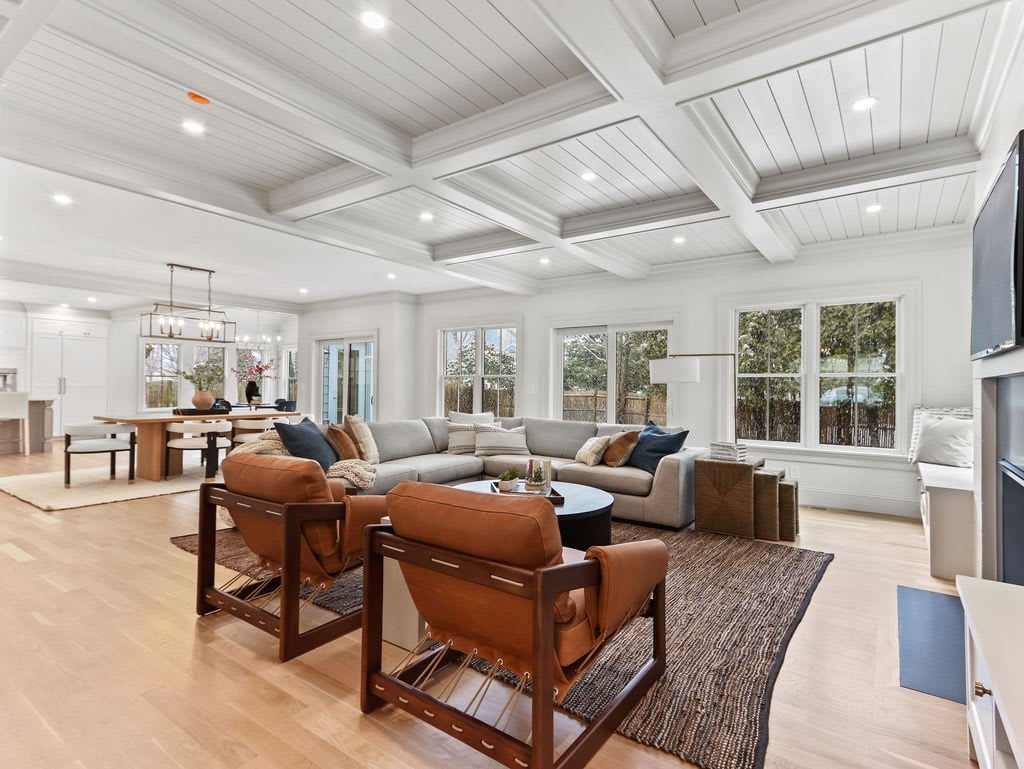
Top agents typically lead with a full visual package, not just a few polished photos. That includes professional photography, video, virtual tours, floorplans, and digital walkthrough assets that help buyers understand layout, scale, and flow before they ever schedule a showing.
This matters in Back Bay because inventory can be architecturally distinctive, but also nuanced. A buyer may want to understand ceiling height, window exposure, room proportion, storage, or how a renovated kitchen connects to the main living area.
A strong visual campaign should help answer those questions quickly. It should also feel editorial and refined, with imagery that matches the property’s level and the neighborhood’s character.
The Listing Story Must Feel Local
A luxury condo listing in Back Bay needs a story, but it has to be specific. Generic phrases about “city living” or “prime location” are usually too broad to create real connection.
The better approach is to tie the home to the streets, landmarks, and daily conveniences that define this part of Boston. Boston.gov highlights Newbury Street, Boylston Street, Commonwealth Avenue, the Prudential Center, John Hancock Tower, Trinity Church, and the Boston Public Library as signature neighborhood anchors.
Boston Planning also points to the Commonwealth Avenue Mall, the Paul Dudley White Bicycle Path, the Esplanade, the Hatch Shell, and the Boston Marathon finish line. These are not just background details. They help a buyer picture what living there actually feels like.
A top agent uses that context carefully. The goal is not to oversell. It is to connect the condo to its immediate streetscape, nearby green space, shopping, dining, cultural institutions, and transit access in a way that feels accurate and useful.
A Property Microsite Can Anchor the Campaign
Top agents often market luxury condos across multiple channels. NAR seller data show that MLS websites, major home search platforms, agent websites, third-party aggregators, and company websites are common channels, with social media, virtual tours, video, and virtual open houses also part of the mix.
For a Back Bay luxury listing, a dedicated property microsite can be especially effective when it acts as the campaign hub. Instead of functioning like a digital flyer, it becomes the place where buyers can view the full story in one polished experience.
That usually means one destination for:
- Professional photography
- Video clips or walkthrough content
- Floorplans
- Building details
- Financial information
- Neighborhood highlights
- Inquiry capture
For a boutique, concierge-style brokerage like Aura Realty Advisors, that approach fits naturally. A curated microsite supports premium presentation while keeping the campaign organized across broader listing distribution.
Transparency Is Part of Luxury Marketing
One of the biggest mistakes in condo marketing is treating important financial or building details like fine print. Serious buyers want clarity early, and top agents know that transparency builds trust.
NAR recommends including facts such as taxes, HOA fees, and other costs in online listings. In a Back Bay condo sale, that logic extends to condo dues, assessments, parking costs, pet policies, rental rules, and any building-specific restrictions that affect ownership.
This is especially important in a neighborhood where buyers may compare several luxury condos in a short time. When details are vague, the listing can lose momentum. When details are clearly organized, buyers can move forward with fewer surprises.
Clear information also helps the showing process. Instead of using appointments to explain basic building facts, the agent can focus on the property itself and on the buyer’s fit.
Historic District Rules Shape the Marketing
Back Bay’s historic status is not a small footnote. Boston.gov notes that the neighborhood is a protected historic district, and the Back Bay Architectural District Commission reviews proposed exterior design changes and alterations.
That means listing copy should be precise about building work. If exterior improvements were completed, the marketing should describe them accurately. If work was permitted, that distinction should be clear. If an idea is only conceptual, it should not be presented like a finished benefit.
This level of accuracy matters for credibility. In a luxury sale, buyers tend to ask detailed questions, and top agents are careful not to blur the line between completed upgrades, approved changes, and future possibilities.
Parking Should Never Be an Afterthought
In many condo listings, parking gets one short mention at the end. In Back Bay, top agents treat it as a core topic.
Boston Transportation says Back Bay parking and curb access changes were completed in March 2024, and the April 2024 Back Bay parking plan created 123 new resident permit parking spaces. The city also notes that resident parking rules are neighborhood-specific on restricted streets.
That makes parking a practical issue buyers want explained upfront. Is parking included? Is it off-site? What kind of resident permit situation applies on the street? Are there realistic nearby options if the unit does not convey a space?
In a neighborhood where many households do not own cars, parking still matters because buyer preferences vary. Top agents prepare for that by addressing access, curb conditions, and parking realities early in the campaign.
Transit and Walkability Are Selling Points
Back Bay’s transportation profile supports a marketing story centered on convenience. Boston Planning reports that 49.4% of households have no vehicle, while large shares of residents walk to work, use transit, or work from home.
That means proximity to stations, daily services, and neighborhood amenities is more than lifestyle language. It is part of how many buyers evaluate value.
The Boston Public Library’s Central Library in Copley Square is one example of a useful local anchor because it is near the Copley Green Line station, the Back Bay Orange Line and Commuter Rail station, and several bus routes. Details like that help illustrate how connected a location feels in daily life.
Top agents often build this into the listing narrative, showing buyers not only where the condo is, but also how the surrounding area supports an easy, walkable routine.
Current Neighborhood Upgrades Strengthen the Story
Strong marketing also uses current, factual neighborhood updates when they are relevant. In Back Bay, Copley Square is an especially meaningful example.
The City completed an $18.9 million renovation in 2026 that improved accessibility, flexible event space, tree canopy, and the fountain. That kind of investment helps reinforce Back Bay’s ongoing appeal and gives sellers a timely, concrete neighborhood talking point.
This works best when used with restraint. A top agent does not rely on hype. Instead, they use real local improvements to support the broader story of location, access, and long-term desirability.
What Sellers Should Expect From a Top Agent
If you are comparing agents for a Back Bay luxury condo sale, the right question is not just who will list it. It is who will lead the strategy from start to finish.
A top-tier campaign usually includes:
- Direct guidance on pricing and positioning
- Professional photography and strong visual assets
- Floorplans and digital walkthrough tools
- A dedicated property microsite or campaign hub
- Curated neighborhood content specific to Back Bay
- Clear presentation of HOA fees, taxes, assessments, and policies
- Accurate explanation of parking and transit access
- Careful wording around historic-district improvements or exterior work
- Broad digital distribution across the main search channels
At the luxury level, execution matters in small details. The listing should look sharp, read clearly, answer buyer questions early, and reflect the property’s place in one of Boston’s most recognizable condo neighborhoods.
For sellers who want a more tailored approach, principal-level involvement can be a major advantage. That means tighter communication, better oversight, and a campaign that feels custom rather than templated.
If you are preparing to sell a Back Bay condo and want a marketing plan built around polished presentation, local context, and hands-on execution, Mike Preston can help you build a concierge strategy that fits the property and the market.
FAQs
What makes marketing a Back Bay luxury condo different from other Boston listings?
- Back Bay condo marketing needs to reflect the neighborhood’s historic district status, walkable urban lifestyle, strong transit access, and buyer focus on building details, fees, parking, and location-specific amenities.
What listing materials help sell a Back Bay luxury condo?
- The strongest campaigns usually include professional photography, video, virtual tours, floorplans, digital walkthrough assets, and a clear property story tied to the building and surrounding Back Bay streetscape.
Why are HOA fees and assessments important in a Back Bay condo listing?
- Buyers want to understand the full cost of ownership, so top agents surface condo dues, assessments, taxes, parking costs, and building rules early instead of leaving them for later.
How should parking be addressed when selling a Back Bay condo?
- Parking should be explained upfront, including whether a space is included, what nearby options exist, and how neighborhood-specific resident parking rules may affect day-to-day use.
Why does historic district status matter when marketing a Back Bay condo?
- Because Back Bay is a protected historic district, listing materials should accurately describe exterior work, permitted improvements, and any proposed changes without overstating what has been completed.
What neighborhood features should a Back Bay condo listing mention?
- Useful details often include proximity to Newbury Street, Boylston Street, Commonwealth Avenue, Copley Square, the Boston Public Library, the Esplanade, and nearby transit stations, depending on the property’s location.
What should you look for in a Back Bay luxury listing agent?
- Look for an agent who offers direct strategic involvement, premium digital marketing, strong local knowledge, transparent communication, and a campaign built specifically for the condo rather than a one-size-fits-all process.