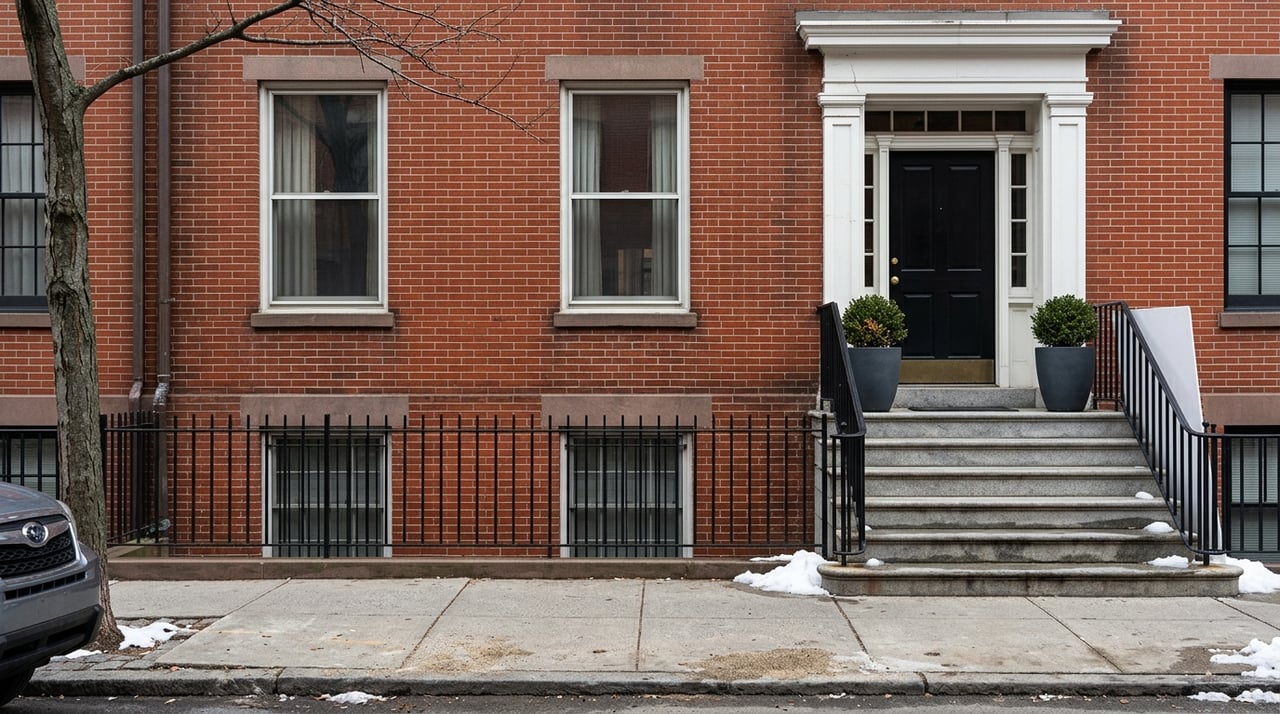
Thinking about Beacon Hill? The charm is easy to picture, but the day-to-day reality matters just as much. If you are considering a move here, you need a clear sense of how stairs, parking, snow, strollers, pets, and simple errands actually work in one of Boston’s most historic neighborhoods. This guide will help you understand the tradeoffs so you can decide whether Beacon Hill fits the way you live. Let’s dive in.
Why Beacon Hill Feels Different
Beacon Hill has a physical layout that shapes daily life in ways many Boston buyers notice right away. According to the City of Boston’s neighborhood overview, the area is defined by brick row houses, narrow streets, brick sidewalks, gas lamps, and Charles Street as a central business corridor.
That historic form is a big part of the appeal, but it also explains why living here can feel compact and vertical. The neighborhood includes historic rowhouses, later 19th-century apartment buildings, and some former stables and carriage houses that were converted to lofts and studios, as noted on the city’s historic district page. In practical terms, that often means walk-up living, tighter layouts, and more stairs than you might find in a newer building.
The streetscape also stays visually consistent for a reason. The Beacon Hill Civic Association notes that exterior changes visible from a public way are reviewed by the Beacon Hill Architectural Commission, which helps preserve the neighborhood’s historic character.
Stairs Are Part of the Lifestyle
If you are moving to Beacon Hill, it is smart to assume stairs will be part of your routine. Many homes and condo buildings reflect the neighborhood’s historic housing stock, which often means multiple levels, walk-ups, and less of the elevator-centered convenience you may find elsewhere.
This does not make Beacon Hill less livable. It just means your daily logistics can take a little more planning. Groceries, deliveries, laundry, move-ins, and furniture placement may all feel more hands-on here.
For some buyers, that tradeoff is well worth it for the character and location. For others, especially if you want step-free access or easier day-to-day movement, it is something to evaluate carefully before you buy or rent.
Think Beyond the Front Door
When you tour a property, try to picture your real routine instead of your ideal one. Ask yourself how often you carry groceries, how frequently guests visit, and whether you are comfortable navigating stairs several times a day.
It is also worth thinking about move-in day and service access. In a neighborhood with narrower streets and older buildings, tasks that seem simple elsewhere can take more coordination.
Parking Takes Planning
Parking is one of the clearest tradeoffs in Beacon Hill. The Beacon Hill Civic Association says parking is limited on residential streets, and many spaces require a resident parking permit. It also notes that there are public parking garages in the area, which can be helpful when on-street parking is not realistic.
Boston’s resident parking program gives residents preferential access to permit-restricted streets and is designed to reduce long-term parking by non-residents. The city notes that vehicles parked on restricted streets without a valid permit can be ticketed, and resident permits are free and auto-renew after neighborhood-wide audits, according to the City of Boston resident parking information.
The Civic Association also explains that Beacon Hill street parking is free for residents with parking stickers, that many spaces are resident-only, and that a smaller number are visitor spaces. It further notes that meter spaces are located on Beacon, Charles, and Cambridge streets during daytime hours, which matters if you are planning quick errands or guest visits. You can review those details on the Beacon Hill parking page.
What Parking Really Means Day to Day
Owning a car in Beacon Hill often means being flexible. You may have a permit and still need patience, especially at busy times or when visitors are trying to park nearby.
If you expect easy curbside parking right outside your home every day, Beacon Hill may feel frustrating. If you see your car as occasional-use transportation in a walkable, transit-friendly location, the tradeoff can feel much more manageable.
Winter Makes Everything More Noticeable
Winter routines matter in every Boston neighborhood, but Beacon Hill’s narrow streets and sidewalks make them especially important. The City of Boston requires property owners and residents to clear sidewalks and curb ramps around their property and create a 42-inch path for strollers and wheelchairs. The city also says this must be done within three hours after snowfall ends, or within three hours after sunrise if it snowed overnight, as outlined in the city’s winter and snow guidance.
That means snow removal is not just about your own convenience. It is part of keeping the sidewalk network usable and safe for everyone moving through the neighborhood.
Boston also warns that you can be ticketed and towed for parking on a posted snow-emergency artery. The city instructs drivers not to block sidewalks, ramps, hydrants, or driveways, and it allows space savers in some neighborhoods only during and for 48 hours after a declared snow emergency. During those events, the city also maintains discounted garages and lots for residents.
Snow-Day Reality in Beacon Hill
In Beacon Hill, snow affects more than your commute. It can change how you park, how easily you walk a stroller, how quickly you take out trash, and how much effort it takes to get in and out of your building.
If you are considering a home here, it helps to think through your winter habits in advance. A beautiful historic block can feel very different after a storm if your routine depends on easy curb access or smooth sidewalks.
Strollers and Accessibility Need a Closer Look
Beacon Hill can be very walkable, but it is not always easy terrain. The National Park Service materials for the Black Heritage Trail describe hills, wide and narrow sidewalks, baby carriages parked outside homes, trash pickup day conditions, and frost heaves. NPS safety guidance also warns visitors to watch their step on narrow sidewalks, cobblestones, and other uneven surfaces in the area’s visitor brochure and planning materials.
The Beacon Hill Civic Association is even more direct, saying the neighborhood’s steep streets and narrow sidewalks are a significant obstacle for people with mobility or visual challenges. That context is important if you are evaluating Beacon Hill with a stroller, mobility aid, or accessibility needs in mind.
Questions to Ask Yourself
Before choosing Beacon Hill, think about how often you:
- Use a stroller or push a cart
- Need step-free or easier access
- Walk with small children on narrow sidewalks
- Rely on smooth pavement and wider pedestrian routes
For some households, these are manageable inconveniences. For others, they may be a deciding factor.
Pet Ownership Is Very Doable, With Routine
Beacon Hill can work well for pet owners, but it is better understood as a leashed-dog neighborhood than a dog-park-centered one. The City of Boston requires dogs to be on a leash when they are off the property, and city park rules say dogs are welcome as long as leash rules are followed and waste is picked up, according to the city’s pet ownership rules.
The main nearby off-leash option is Boston Common’s rotating area, so day-to-day dog life in Beacon Hill is more about neighborhood walks and nearby park access than dedicated off-leash spaces on every block.
What Pet Owners Should Expect
If you have a dog, your routine will likely include regular leashed walks on historic sidewalks and streets. That can be a great fit if you enjoy an urban walking lifestyle and want nearby green space without expecting a large off-leash setup in the neighborhood itself.
The Tradeoff: Charm Versus Convenience
Beacon Hill is a strong fit for people who want a central, highly walkable neighborhood with transit access, nearby parks, and a distinctive historic setting. The Beacon Hill Civic Association describes the area as walkable, with easy access to MBTA and commuter rail, and points to Charles Street as the neighborhood’s main street for shops, restaurants, and services on its living here page.
The tradeoff is that daily logistics often take more time and patience than they do in newer Boston neighborhoods. Car ownership, winter routines, stroller use, and move-in or move-out planning can all be more involved.
That does not mean Beacon Hill is inconvenient for everyone. It means the neighborhood tends to reward people who value character, location, and walkability enough to accept a little extra friction in daily life.
Who Beacon Hill Fits Best
Beacon Hill may be a strong match if you:
- Want a historic Boston setting with distinctive architecture
- Prefer walking for many daily errands
- Value central access to downtown, transit, and parks
- Are comfortable with stairs and older building layouts
- Can be flexible about parking and winter routines
It may require a closer look if you:
- Need easier accessibility features
- Use a stroller or mobility aid every day
- Expect simple, abundant parking
- Want a newer building with more modern convenience features
If you are weighing Beacon Hill against other Boston neighborhoods, the right choice often comes down to lifestyle fit more than price alone. A good home search here starts with honest questions about your everyday routine, not just the photos.
If you want help weighing Beacon Hill’s charm against its practical tradeoffs, Mike Preston can help you evaluate the neighborhood with clear, concierge-level guidance tailored to how you actually live.
FAQs
Is parking difficult in Beacon Hill Boston?
- Yes. The Beacon Hill Civic Association says parking is limited on residential streets, many spaces require a resident permit, and visitor or meter parking often requires advance planning.
Are stairs common in Beacon Hill homes?
- Yes. Because Beacon Hill is made up largely of historic rowhouses, older apartment buildings, and conversions, walk-up living and multi-level layouts are common.
Is Beacon Hill stroller-friendly for daily life?
- It depends on your routine. Narrow sidewalks, hills, uneven surfaces, and winter conditions can make stroller use more challenging than in flatter or newer neighborhoods.
Can you own a car while living in Beacon Hill?
- Yes, but it usually takes patience and planning. Resident parking permits help with access to restricted streets, but on-street parking is still limited.
Is Beacon Hill good for dog owners?
- Beacon Hill can work well for dog owners who are comfortable with leashed neighborhood walks and nearby park access, but it is not best described as a dog-park-heavy neighborhood.
What should buyers know about winter in Beacon Hill?
- Buyers should know that sidewalk clearing rules, snow-emergency parking restrictions, and narrow streets can make winter logistics more involved, especially for parking and pedestrian access.