If you have been eyeing South Boston and wondering whether a small multifamily could do more for you than a condo, you are asking the right question. In a high-cost neighborhood, the ability to live in one unit and offset expenses with rental income can be powerful, but only if the building, layout, and zoning all make sense. This guide will help you understand where the real opportunities are, where buyers get tripped up, and how to evaluate a South Boston duplex or triple-decker with clear eyes. Let’s dive in.
Why South Boston draws multifamily buyers
South Boston has the kind of housing demand that keeps small multifamily properties on the radar for both owner-occupants and investors. The neighborhood had 40,904 residents and 20,251 housing units in its 2025 profile, with 18,854 occupied units split between 10,175 renter-occupied and 8,679 owner-occupied homes. That balance matters because it supports demand from both residents who want to buy and renters who need housing.
The renter base also helps explain why small multifamily can pencil here when the property is well configured. Nearly half of residents were ages 18 to 34, and 69.3% of adults age 25 and older held a bachelor’s degree or higher. In practical terms, South Boston continues to attract households that often rent 2- and 3-bedroom units, including roommates, couples, and professionals.
Separate South Boston from the Waterfront
One of the biggest mistakes in evaluating a small multifamily opportunity is treating all of South Boston as one submarket. Boston Planning distinguishes traditional South Boston from the South Boston Waterfront, where housing inventory changed rapidly from 2010 to 2020 and a large share of newer apartment, condo, and micro-unit supply has been concentrated. That newer inventory can behave very differently from an older building in the peninsula’s established residential blocks.
If you are comparing a triple-decker to a condo, this distinction becomes even more important. A waterfront condo comp may reflect different buyer expectations, finishes, amenities, and pricing dynamics than an older 2- to 4-unit building farther inland. Good underwriting starts with staying inside the right submarket.
What the typical stock looks like
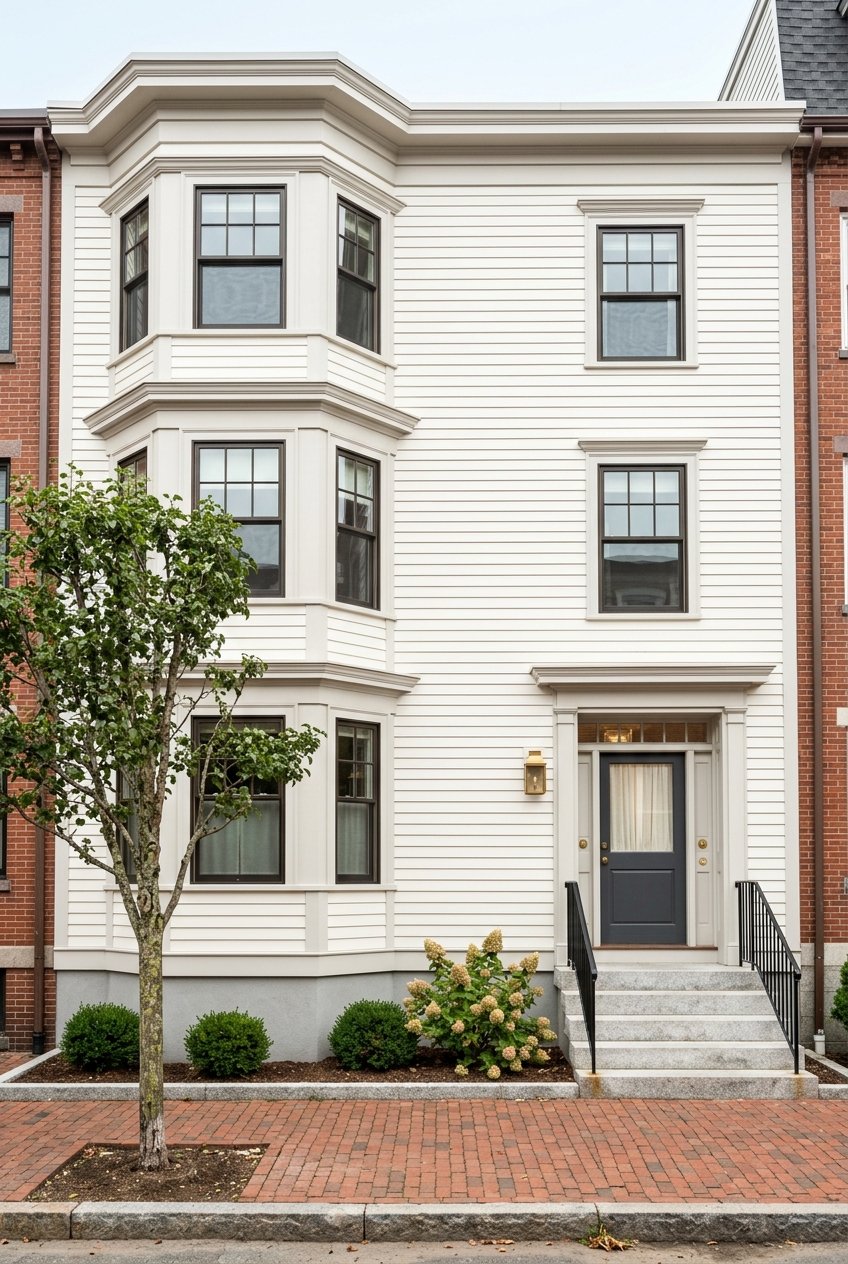
In South Boston, the classic small multifamily story is still the triple-decker and attached rowhouse. City materials describe the neighborhood as being dominated by those building forms, which is useful because it frames what buyers are most likely to find in the field. Many of the opportunities are not new construction plays. They are older assets that need thoughtful analysis.
That matters because the opportunity is often tied to how well the existing structure functions. A building with a better floor plan, cleaner unit separation, and stronger in-unit amenities may outperform a similar property with the same exterior footprint. In South Boston, execution inside the existing building can matter more than a flashy idea on paper.
Zoning can change the whole deal
Before you get excited about adding a unit or expanding living area, South Boston zoning needs a close read. Article 68 governs the South Boston Neighborhood District and includes subdistricts such as MFR and MFR/LS that support medium-density multifamily areas. Those districts may allow one-, two-, and three-family dwellings, rowhouses, town houses, and multifamily dwellings, but the same ruleset also states that zoning relief is not available except where expressly provided.
There is another major constraint buyers need to know up front. Dwelling units in a basement are forbidden in the South Boston Neighborhood District. That means one of the most common value-add ideas in other markets does not simply carry over here.
Even seemingly modest conversion plans can run into issues. Recent local zoning board materials show that a change from 3 units to 4 units may trigger concerns tied to lot area, additional lot area per unit, usable open space, parking, and roof structure restrictions. In other words, South Boston rewards disciplined underwriting, not assumption-based underwriting.
What to underwrite first
If you are evaluating a duplex, triple-decker, or 4-unit building in South Boston, start with the fundamentals before you price in upside.
- Confirm the zoning district and subdistrict for the parcel.
- Verify the existing legal unit count.
- Check whether any basement space is being represented in a way that conflicts with local rules.
- Review egress, open space, parking, and roof structure considerations before assuming reconfiguration potential.
- Separate peninsula comps from waterfront comps.
This is where development-grade analysis can protect you. A property may look attractive on a rent-per-unit basis, but the real value depends on whether the existing layout is legal, functional, and supportable under local rules.
Why rents keep buyers interested
South Boston remains a high-rent submarket, which is a big reason small multifamily opportunities continue to attract attention. Boston Planning reported a 2024 median asking rent of $3,490 for market-rate 2-bedroom apartments in South Boston, compared with $3,200 citywide. More recent market snapshots were even higher, though different data sources use different methods and samples.
For example, a June 2026 market snapshot from RentCafe showed average South Boston rent at $4,216 overall, with 2-bedroom units averaging $5,111 and 3-bedroom units averaging $7,490. Zillow’s 02127 rental page showed an average rent of $5,911, with 103 rentals available and a cool market temperature. While these figures should not be treated as interchangeable, they point in the same direction: South Boston supports strong rents when the product is competitive.
Bedroom mix matters more than many buyers think
South Boston’s housing stock gives you an important clue about what tends to work. According to the 2025 neighborhood profile, 44.6% of housing units were 2 bedrooms and 30.0% were 3 or more bedrooms. That makes layout quality especially important.
A unit that technically has enough rooms is not always the same as a unit that lives well. In this neighborhood, there is a meaningful difference between a choppy floor plan and a practical 2- or 3-bedroom layout with usable common space, laundry, and storage. If you are underwriting future rents, functionality matters just as much as bedroom count.
The house-hack advantage in South Boston
For owner-occupant buyers, small multifamily can offer something a condo usually cannot. Freddie Mac guidance notes that 2- to 4-unit primary residences are eligible property types, and rental income from units not occupied by the borrower can be used in qualifying, subject to lender rules and documentation. That can make a duplex or triple-decker a different kind of purchase decision.
Instead of buying only for your own housing needs, you may be buying a property where the non-owner units help support the monthly payment. In a neighborhood where sale pricing is elevated, that income-offset structure can be the reason a multifamily works better than a single condo purchase for some buyers.
Pricing leaves less room for mistakes
South Boston is not a forgiving market for sloppy assumptions. Zillow’s South Boston home-value page put the average home value at $896,280 and noted that homes go pending in about 21 days. Whether you are buying as an owner-occupant or a small investor, that pricing environment means you need a realistic plan from day one.
Weak rent assumptions, underestimated renovation costs, or an exit strategy based on the wrong comp set can erase the margin quickly. This is where a founder-led brokerage with underwriting perspective can add value. The numbers need to work on today’s facts, not just on best-case scenarios.
Where the real value-add usually is
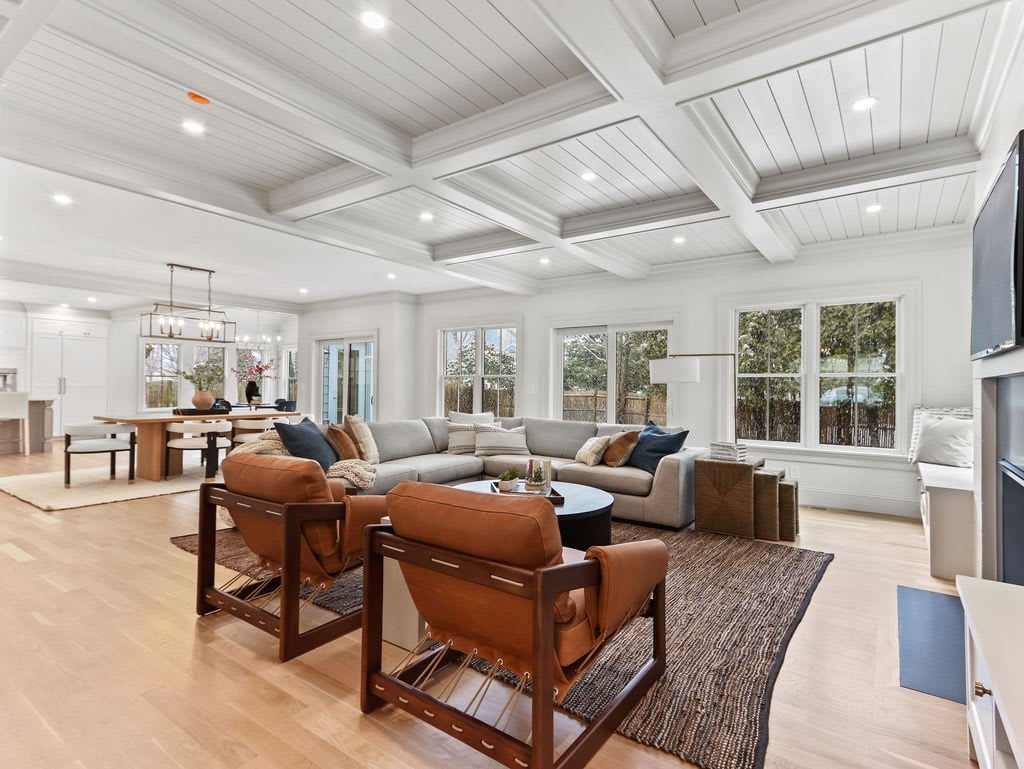
In South Boston, the strongest value-add plays are often inside the existing envelope. That can include updating kitchens and baths, improving bedroom layouts, adding in-unit laundry, creating better storage, and making the unit mix more usable for the people most likely to rent there. Those are not glamorous moves, but they are often the most realistic.
Amenities can also matter when available. A local rental example shows features like in-unit laundry, a roof deck, and parking showing up in pricing. That does not mean every property can or should add those features, but it does suggest that thoughtful livability upgrades can support stronger positioning.
Roof deck work also has its own local considerations. In Boston, roof-deck work on buildings with 3 family units or more requires contractor-permitted work. Combined with South Boston’s zoning constraints, that is another reminder that the best opportunities here usually come from smart above-grade improvements rather than easy unit-count expansion.
Condo or multifamily: which fits your goal?
For many buyers in South Boston, the real question is not whether small multifamily is better than a condo in general. It is whether it is better for your goals. A condo may offer simpler ownership and fewer operational responsibilities. A 2- to 4-unit property may offer rental income, house-hack potential, and renovation upside, but it also comes with more moving parts.
Here is a simple way to frame it:
| Option | Best fit for | Main tradeoff |
|---|---|---|
| Condo | Buyers who want straightforward ownership | Less income potential |
| 2- to 4-unit multifamily | Buyers who want income-offset ownership or value-add upside | More management and diligence |
Neither path is automatically better. In South Boston, the right answer usually depends on whether you want a home only, or a home that also needs to perform like a small operating asset.
A practical approach to buying well
If you are serious about a small multifamily in South Boston, stay grounded in the basics. Focus on legal unit count, submarket-specific comps, realistic rents, and a renovation plan that fits the building as it actually exists. The best deals here are often not the ones with the most dramatic story. They are the ones where the facts line up cleanly.
That is especially true in a neighborhood shaped by older housing stock, strong rents, and tight zoning rules. You do not need a perfect property. You need a property with a clear use case, supportable numbers, and a plan that respects local constraints.
If you want help evaluating a South Boston duplex, triple-decker, or small value-add building, Mike Preston brings a concierge approach backed by practical underwriting and development-minded analysis.
FAQs
What makes South Boston attractive for small multifamily buyers?
- South Boston has a balanced but renter-heavy occupied housing mix, strong rent levels, and demand for practical 2- and 3-bedroom units, which can support both owner-occupant and investor interest.
What should you check before buying a South Boston triple-decker?
- Start with zoning district, legal unit count, basement status, layout functionality, and whether any planned changes would affect parking, open space, egress, or roof structure compliance.
Can you add a basement apartment in South Boston?
- No. In the South Boston Neighborhood District, dwelling units in a basement are forbidden under Article 68.
Why do South Boston and South Boston Waterfront comps differ?
- The waterfront has seen major recent housing growth and different building types, so condo and rental pricing there may not reflect how older peninsula multifamily properties perform.
How can a South Boston multifamily help an owner-occupant buyer?
- For eligible 2- to 4-unit primary residences, rental income from non-owner units may help with qualifying, subject to lender rules and documentation.
Where is the most realistic value-add in a South Boston multifamily?
- The most realistic upside is often inside the existing above-grade space through better layouts, updated kitchens and baths, improved storage, and amenities like in-unit laundry where feasible.