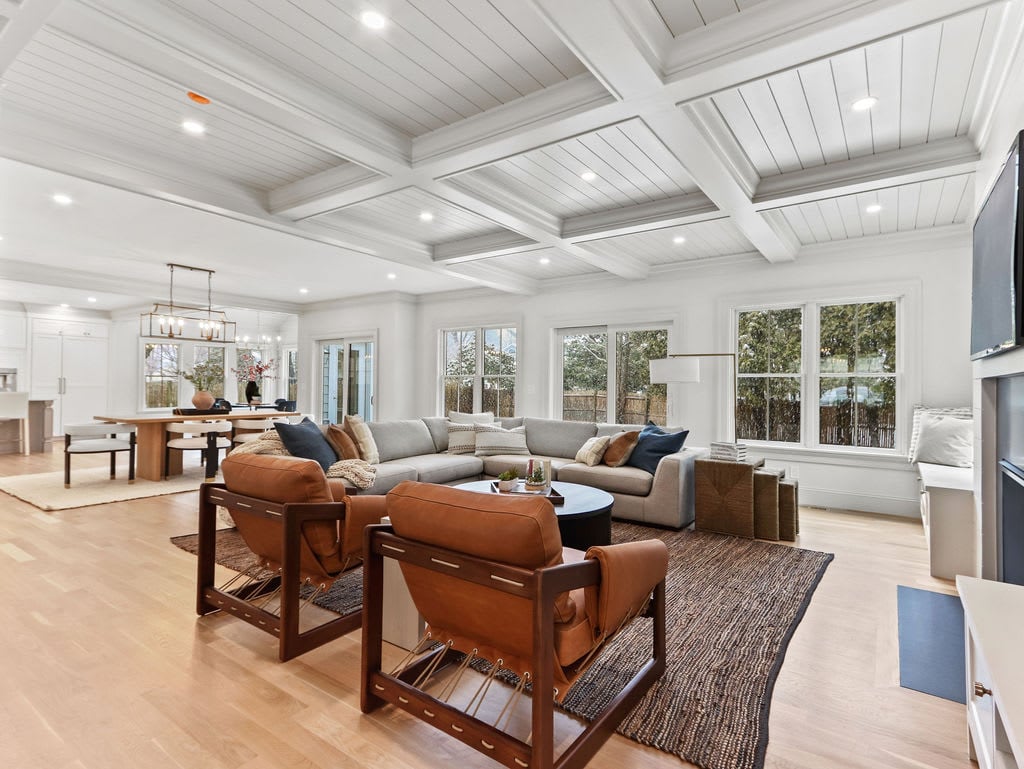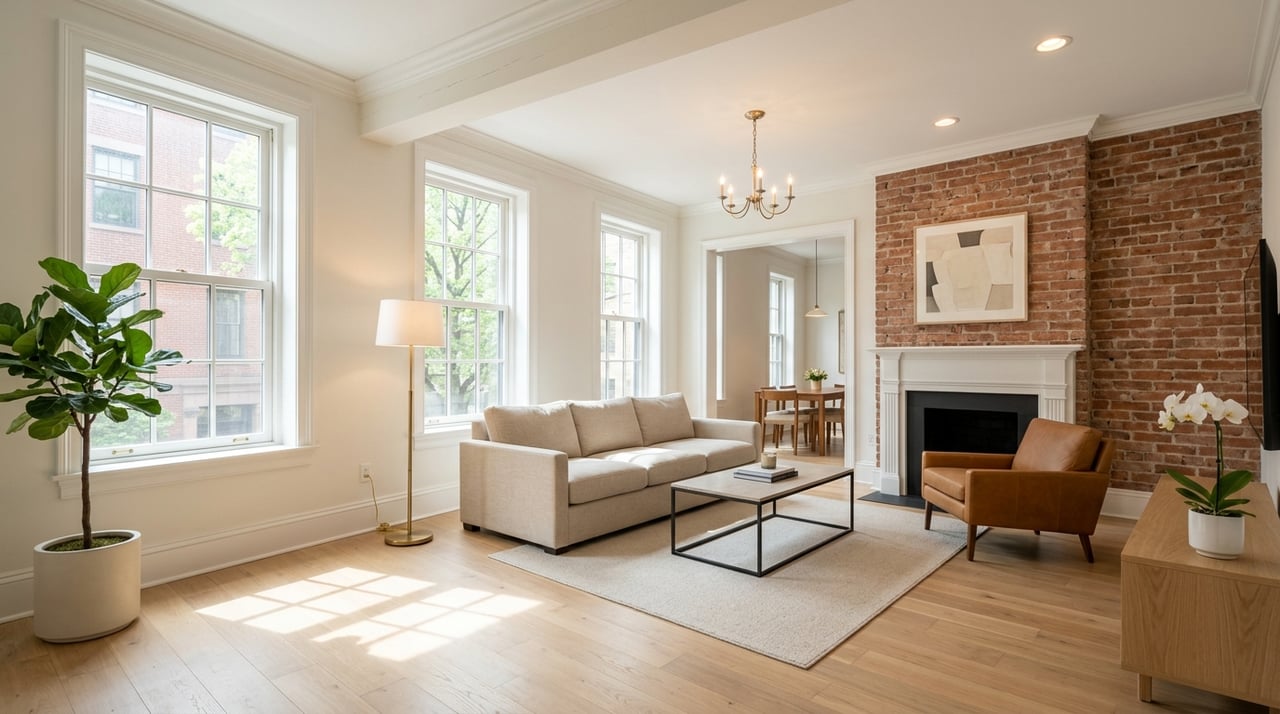
If your South End condo is beautiful but busy, stylish but overly personal, buyers may miss what makes it special. In a neighborhood known for Victorian brownstones, brick rowhouses, parks, galleries, and a strong design culture, presentation matters. The right staging approach can help buyers focus on your condo’s character, picture themselves living there, and connect with the space faster. Let’s dive in.
Why South End staging is different
The South End is not a one-size-fits-all condo market. The neighborhood is known by the City of Boston and Boston Planning for its historic architecture, arts presence, boutique retail, restaurants, and one of the largest Victorian residential districts in the country.
That means buyers are often responding to more than square footage alone. They are looking at proportion, original detail, light, texture, and how the home feels. In many South End condos, the goal is not to create generic luxury. It is to create a refined, edited look that lets the architecture lead.
Let the architecture do the work
In a South End condo, details like exposed brick, tall windows, beams, trim, and molding are part of the value. Boston’s South End Landmark District standards emphasize preserving the architectural character and appearance of these historic buildings.
Your staging should support that character, not compete with it. Oversized sectionals, bulky case goods, and loud decor can make a well-proportioned room feel smaller and distract from the details buyers came to see.
Keep original features visible
If your condo has historic elements, treat them like focal points. Arrange furniture so buyers notice brick walls, fireplace surrounds, ceiling height, and window lines first.
A simple rule helps here: if a piece blocks a standout feature, it is probably too big or in the wrong place. Thoughtful spacing often does more than adding more furniture.
Choose a smaller furniture footprint
Clean-lined seating, narrower tables, and open-leg furniture can make rooms feel lighter and easier to read. This matters in urban condos, where every inch needs to feel intentional.
Design-minded buyers tend to notice balance. A room that feels airy and composed will usually land better than one that feels crowded, even if the individual pieces are expensive.
Start by editing hard
Before you bring in styling touches, remove what is not helping the room. NAR’s 2025 staging survey found that staging makes it easier for buyers to visualize a property as a future home, which is exactly why decluttering is the first step.
Editing means more than tidying up. It means removing extra chairs, clearing shelves, packing personal collections, and simplifying surfaces so the space reads clearly in person and in photos.
What to remove first
Start with the pieces that create visual noise or interrupt flow:
- Extra furniture that makes walkways tight
- Personal photos and highly specific decor
- Large collections on shelves or walls
- Duplicate small appliances on kitchen counters
- Bulky storage items, baskets, and overflow pieces
- Any item that makes a room’s use feel unclear
If you are unsure, err on the side of less. Buyers should remember the condo, not your things.
Build a warm, restrained palette
A South End condo often shows best with a quiet backdrop and a few intentional accents. Current NAR design guidance points to soft warm whites and warm neutrals as strong choices for walls and bedding, with personality coming through art, texture, wood tones, and limited richer accents.
This works especially well in historic interiors. Warm neutrals help brick, trim, and natural light stand out without making the home feel flat or cold.
Avoid all-white by default
Many sellers assume every room should be bright white. Usually, that is not the best move. A softer palette like warm white, beige, greige, or taupe tends to feel more relaxed and more compatible with older architecture.
Then layer in interest carefully. One strong art piece, a textured rug, a few pillows, or mixed metal accents can add polish without overwhelming the room.
Add texture, not clutter
Texture is where staging can feel elevated. Think linen, boucle, wool, wood, leather, ceramic, and soft metallic finishes used sparingly.
These materials photograph well and help a condo feel finished. The key is restraint. A few well-chosen pieces will look more sophisticated than a room filled with accessories.
Stage the rooms that matter most
You do not have to stage every room to make an impact. According to NAR, the living room, primary bedroom, dining room, and kitchen are the spaces most commonly staged, and buyers rank the living room, primary bedroom, and kitchen as especially important.
For most South End sellers, those rooms should get the strongest staging plan first. If your budget or timeline is limited, prioritize where buyers form their first and strongest impressions.
Living room
This is often the room that sets the tone for the entire home. Use scaled furniture, defined conversation areas, and a layout that shows how the room lives.
If the condo has a fireplace, brick wall, or oversized windows, orient the room around those features. The goal is to make the space feel both stylish and easy to understand.
Primary bedroom
The primary bedroom should feel calm, layered, and uncluttered. Neutral bedding, balanced nightstands, and simple lighting can make a major difference.
Avoid cramming in too much furniture. Buyers should see clear floor area and feel that the room is restful, not overfilled.
Kitchen and dining area
In condo living, kitchens need to feel crisp and efficient. Clear the counters, remove duplicate appliances, and keep styling minimal so the space reads as clean and easy to maintain.
If you have a dining area, define it clearly. Even a small table and a simple centerpiece can help buyers understand the layout and imagine everyday use.
Make small spaces feel purposeful
South End condos often include alcoves, nooks, smaller bedrooms, or flexible corners. These spaces can either feel awkward or become one of your best selling points.
Instead of leaving them undefined, give them a clear job. A small nook might become a reading corner, a compact office setup, or a guest space depending on the layout.
Clarity helps buyers visualize
Undefined space creates hesitation. Defined space creates ideas.
When buyers can immediately understand how a smaller area functions, they are more likely to see the condo as practical as well as attractive. That matters in an urban market where character and usability often need to work together.
Stage for photos, video, and tours
Staging is not just for showings. It is part of your full marketing package. NAR’s 2025 staging survey found that photos, physical staging, videos, and virtual tours all play a major role in how buyers engage with a listing.
That is especially important in a visually driven neighborhood like the South End. Many buyers will decide whether to book a showing based on the first set of images they see.
Lighting matters more than most sellers think
Before photography, make sure the lighting feels bright, even, and warm. You want buyers to see depth, texture, and detail without the condo feeling harsh.
Turn staging and photography into one coordinated plan. That means styling surfaces, adjusting furniture placement, and checking each room through the camera’s perspective, not just from the doorway.
Plan around landmark rules early
If you are considering pre-sale improvements, timing matters. The South End Landmark District was designated in 1983, and Boston’s Landmarks Commission states that exterior work subject to review requires Design Approval before work begins.
If a project touches the facade, windows, or other visible exterior elements, do not treat it like a last-minute checklist item. Coordinate early so your listing timeline does not get delayed.
Focus on interior presentation first
For many sellers, the biggest return comes from editing, staging, photography, and launch strategy rather than rushing into exterior changes. If there is any uncertainty around visible exterior work, it is smart to clarify the approval path before spending time or money.
That kind of planning is where a concierge-style listing approach can make the process much smoother.
Why presentation can be a real differentiator
The Warren Group reported that Greater Boston condo sales rose 2.8% in 2025 to 13,938, while the median condo sale price was $618,986, down 0.2% from 2024. In a market like that, thoughtful presentation can help your listing stand out.
NAR also reported that 29% of buyers’ agents said staging led to a 1% to 10% increase in the dollar value offered, and 83% said staging made it easier for buyers to visualize the property as a future home. That does not mean every condo needs an expensive overhaul. It means strategic preparation can matter.
When a concierge agent adds value
South End listings often involve more moving parts than sellers expect. You may be coordinating decluttering, furniture decisions, photography, launch timing, building logistics, or questions around pre-listing work.
That is where a hands-on, concierge-style brokerage can make a real difference. Instead of treating staging as a side task, the right advisor can help coordinate it as part of a broader marketing strategy designed around your condo’s architecture, buyer profile, and launch plan.
For sellers who want principal-level guidance, premium visuals, and a more polished market debut, that support can save time and reduce guesswork. It also helps ensure the condo is not just listed, but presented with intention.
If you are preparing to sell in the South End, the goal is simple: make your condo feel edited, design-forward, and true to the architecture buyers already love. For tailored guidance on staging, prep, pricing, and launch strategy, connect with Mike Preston.
FAQs
How should you stage a South End condo for design-minded buyers?
- Focus on an edited, boutique feel with smaller-scale furniture, warm neutrals, visible historic details, and a few intentional accents that add texture without clutter.
Which rooms matter most when staging a South End Boston condo?
- Start with the living room, primary bedroom, kitchen, and dining area, since those spaces are commonly staged and are among the most important to buyers.
Should you paint a South End condo completely white before listing?
- Usually not. Soft warm whites and warm neutrals are generally a better fit than stark white, especially in a condo with brick, trim, or other historic details.
Should you cover exposed brick or original trim in a South End condo?
- No. Historic features are part of the condo’s appeal, and staging should help buyers notice them rather than hide them.
Do exterior updates in the South End Landmark District need approval?
- If the work is an exterior alteration subject to review, Boston’s Landmarks Commission requires Design Approval before the work begins.
Is full-home staging necessary for a South End condo sale?
- Not always. A focused staging plan for the most important rooms can still improve how buyers visualize the home and how the listing performs in marketing materials.